Overview
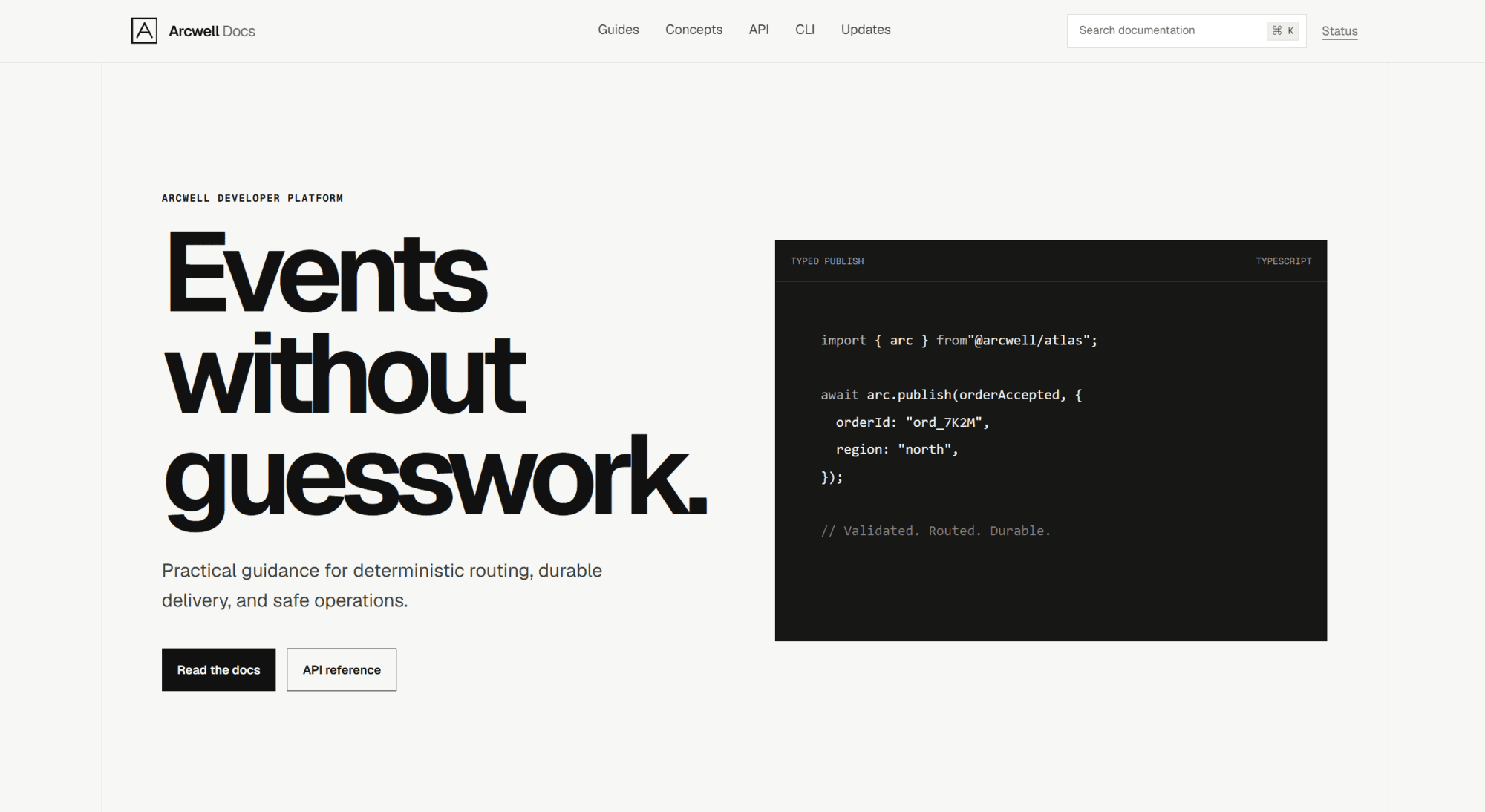
The Documentation Monochrome blueprint is HubZero’s canonical reference implementation for technical documentation architecture. It is designed as a reusable, production-ready foundation rather than a visual template, built explicitly to extend the Blueprint Base and Blueprint Core infrastructure.
The Challenge
General application infrastructure like Blueprint Base does not inherently solve the specific requirements of technical documentation. As a corpus grows, maintaining synchronization between navigation, search registries, and content hierarchy becomes a primary source of drift. Documentation portals require persistent orientation, deterministic routing, and high-fidelity rendering of specialized content types like code blocks, callouts, and API references.
Information Architecture
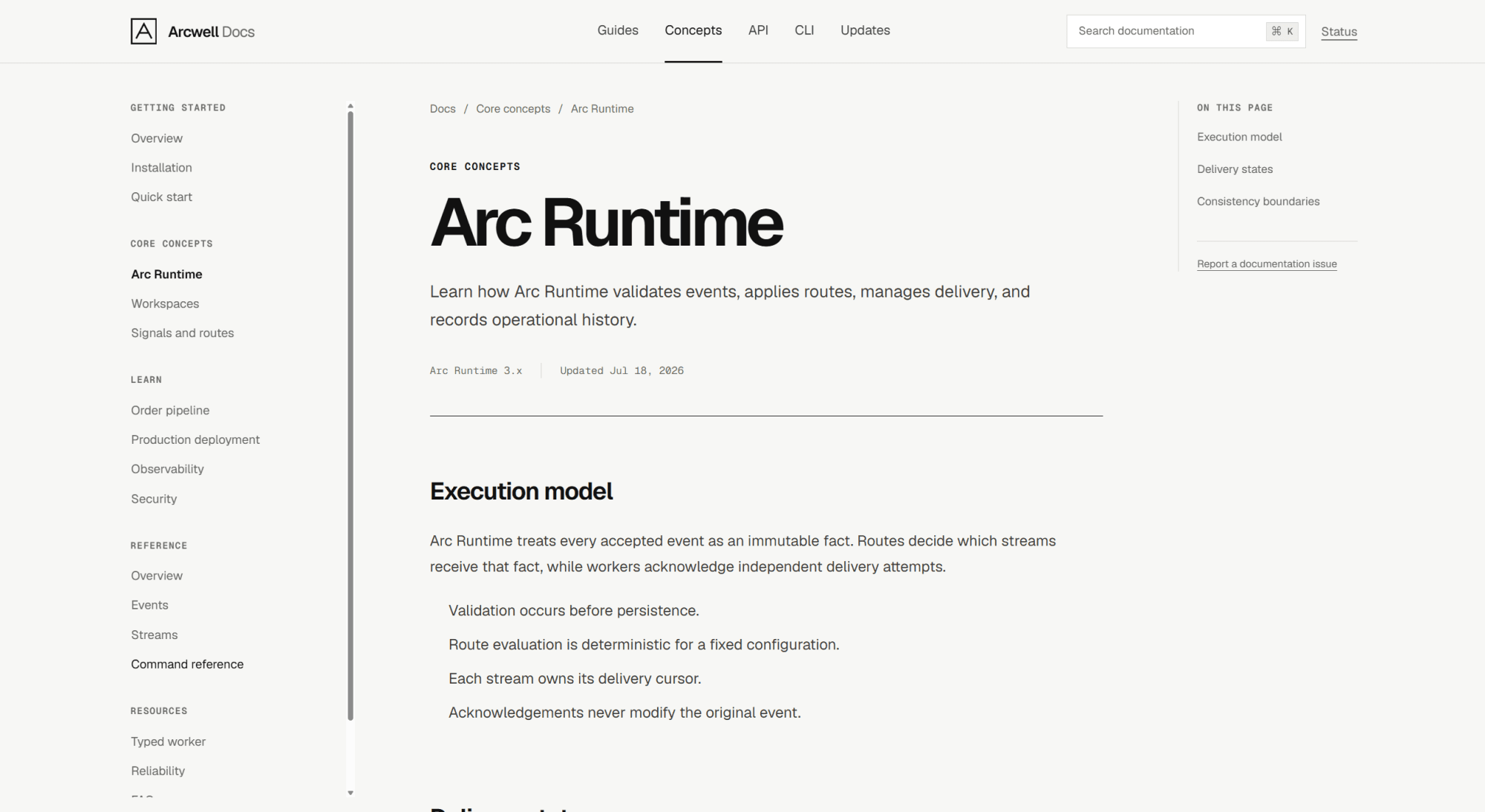
We adopted a typed content graph as the single source of truth. Every documentation page is represented as a TypeScript structure that automatically drives the sidebar hierarchy, breadcrumbs, search index, sitemap, and previous/next navigation. This eliminates parallel data structures, ensuring that updates to the documentation hierarchy propagate instantly across all navigation surfaces.
Technical Architecture
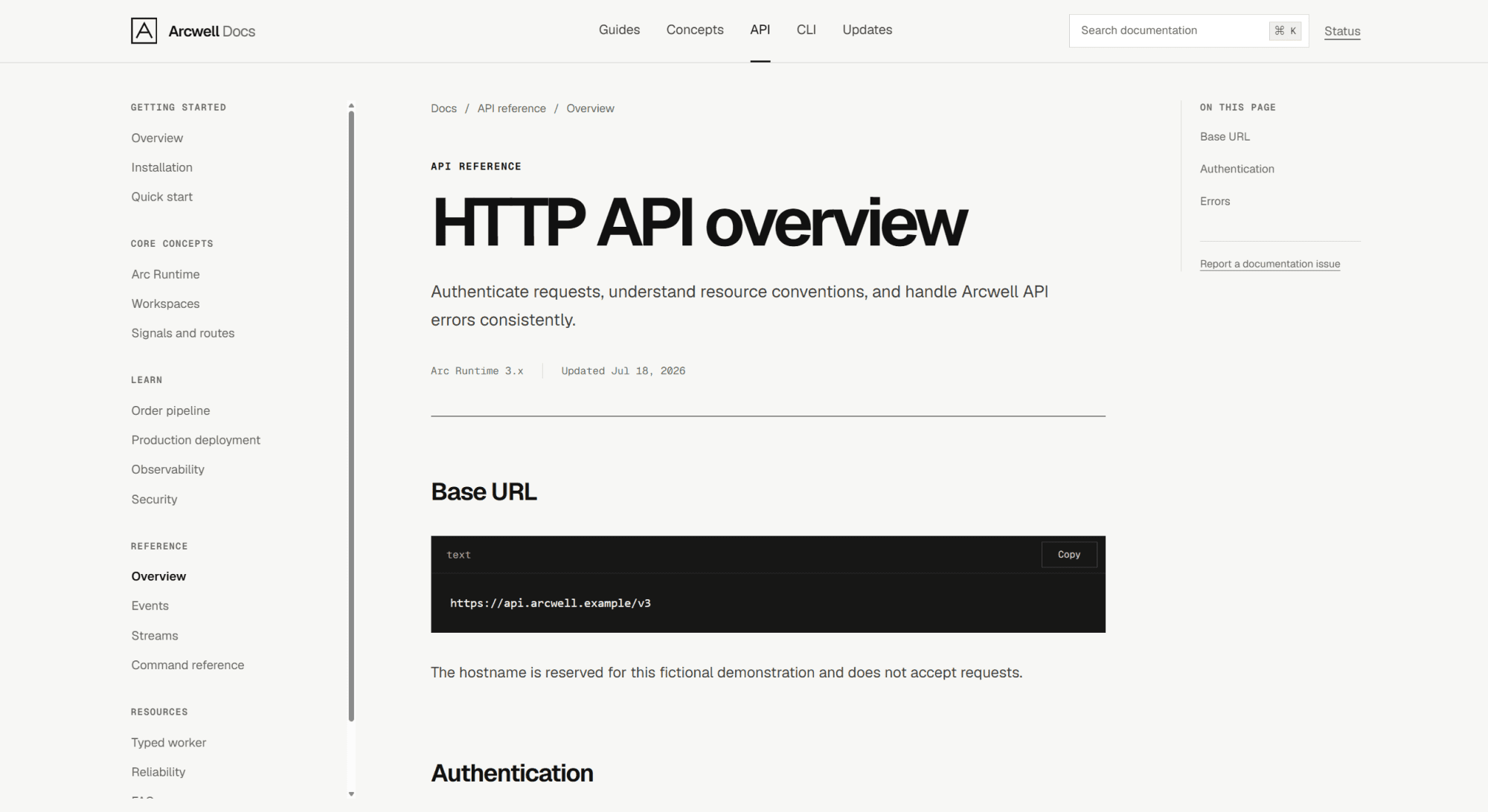
The architecture is server-first, leveraging Next.js App Router for static generation. We used a catch-all route `/docs/[...slug]` to handle the entire documentation corpus, with `generateStaticParams()` deriving paths directly from the content graph. Client-side boundaries are restricted to interactive elements like the search palette and copy controls, minimizing hydration overhead for prose-heavy articles.
Design Philosophy
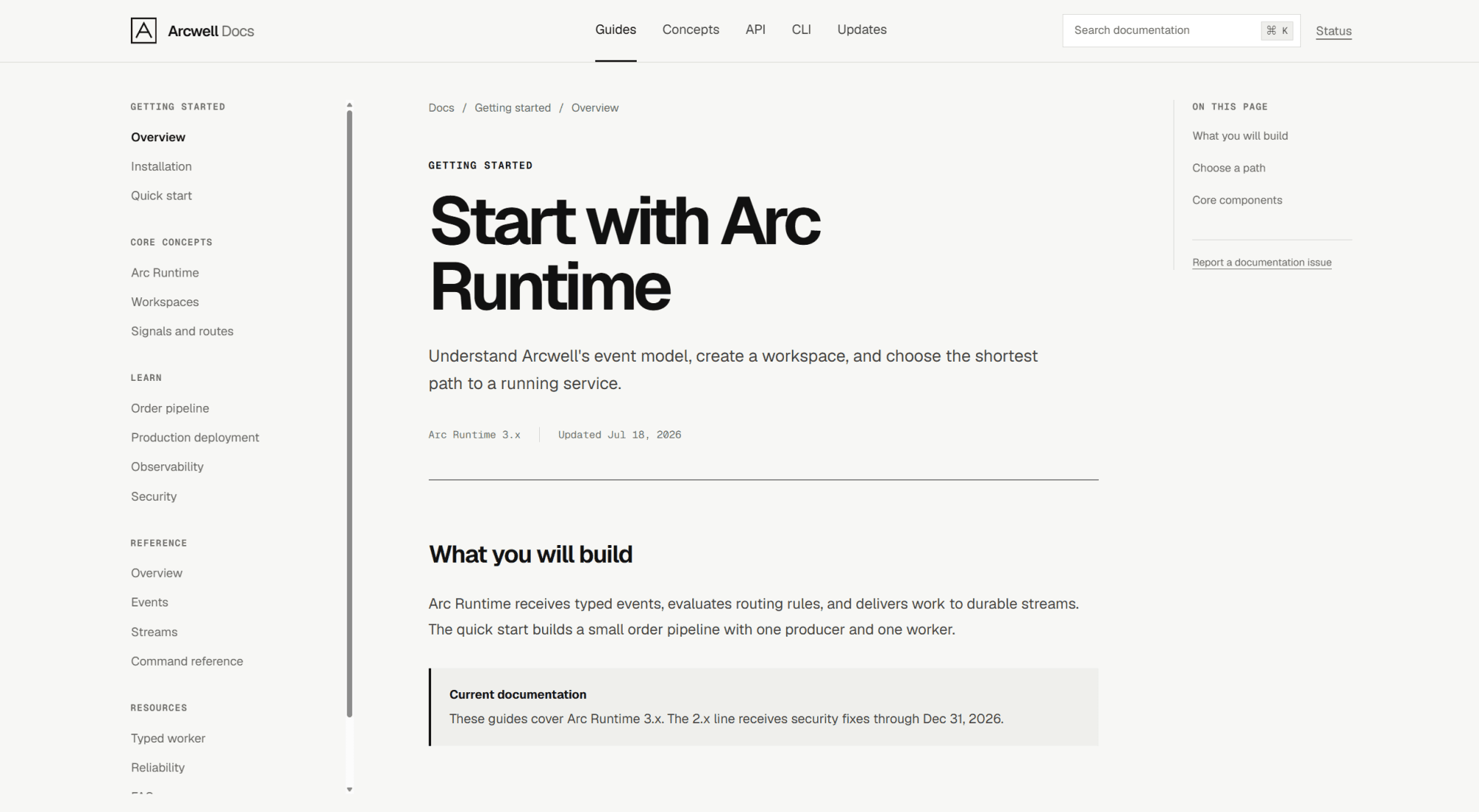
The Monochrome design language uses grayscale tokens and strict geometric constraints to prioritize readability. We avoided decorative effects like gradients or shadows, relying instead on typographic hierarchy and spatial alignment to guide the reader. This restrained palette supports long-form technical reading and ensures the documentation remains the focal point.
Lessons Learned
- Centralizing navigation in the content graph removed the need for manual route maintenance.
- Restricting client-side interactivity to specific components significantly reduced hydration mismatches.
- Implementing accessibility as an architectural constraint from the start simplified the integration of native dialogs and semantic landmarks.
This blueprint establishes the canonical approach for documentation at HubZero. By separating the content graph from the rendering layer, we have created a system that is both scalable and maintainable, ready to be adopted by future projects requiring high-performance technical documentation.