Architectural storytelling for luxury real estate
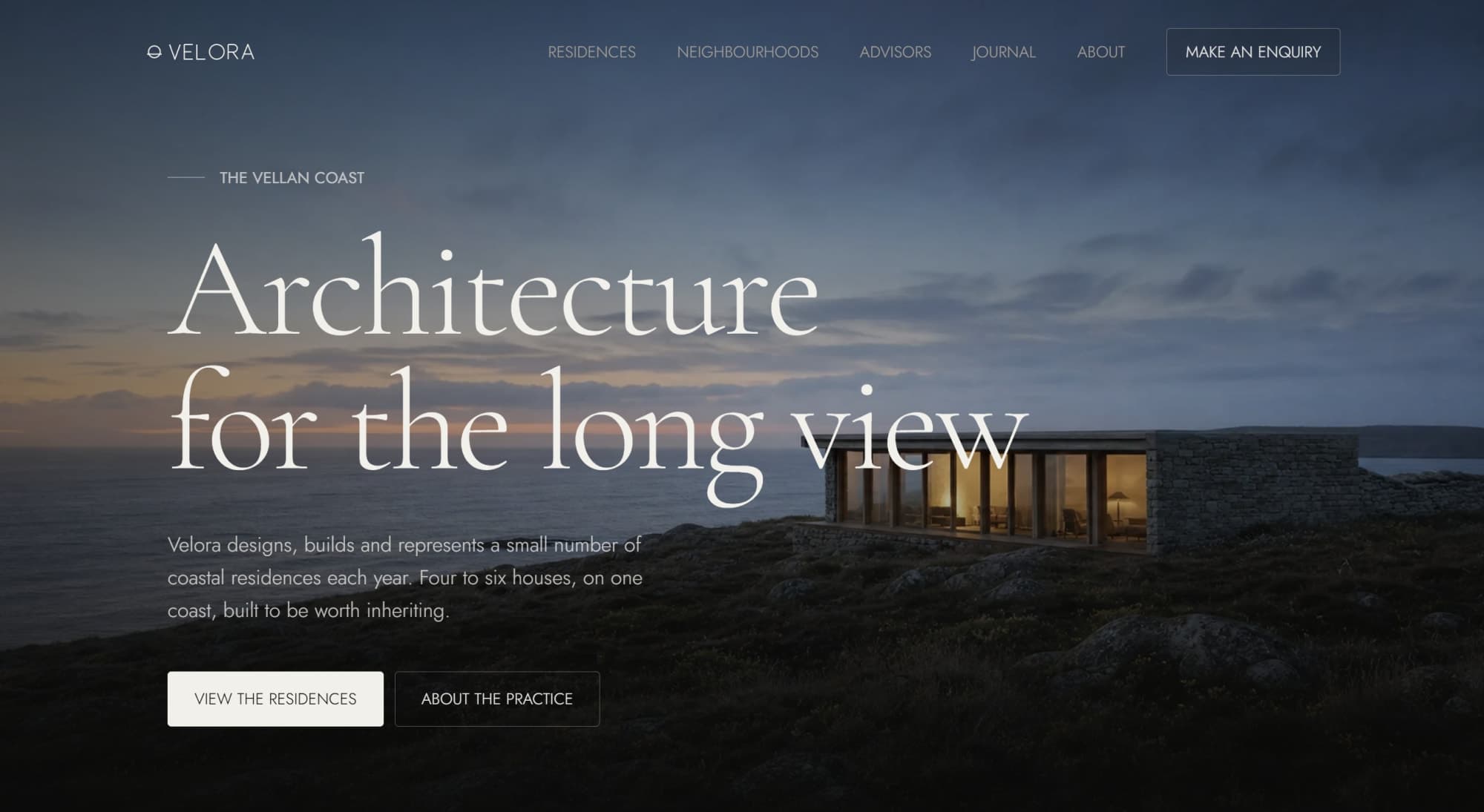
Real estate digital experiences often default to transactional, database-heavy patterns that obscure the narrative value of a property. The Real Estate / Luxury blueprint shifts this focus, treating the property portfolio as an editorial asset rather than a commodity feed. It provides a production-ready foundation for small, high-end developers who prioritize long-term brand equity over high-volume lead capture.
Engineering a content-driven monolith
The blueprint is built as a modular Next.js application, utilizing React Server Components for the majority of data-fetching and layout composition. By relying on static generation for all entity routes, the architecture eliminates the need for a database or persistent API layer, significantly reducing hosting complexity and latency.
Content is managed through typed TypeScript modules, enabling build-time validation of all relationships between residences, advisors, and neighbourhoods. If an advisor is linked to a non-existent neighbourhood, the build fails, ensuring the site remains consistent without runtime error handling.
Design philosophy and surface semantics
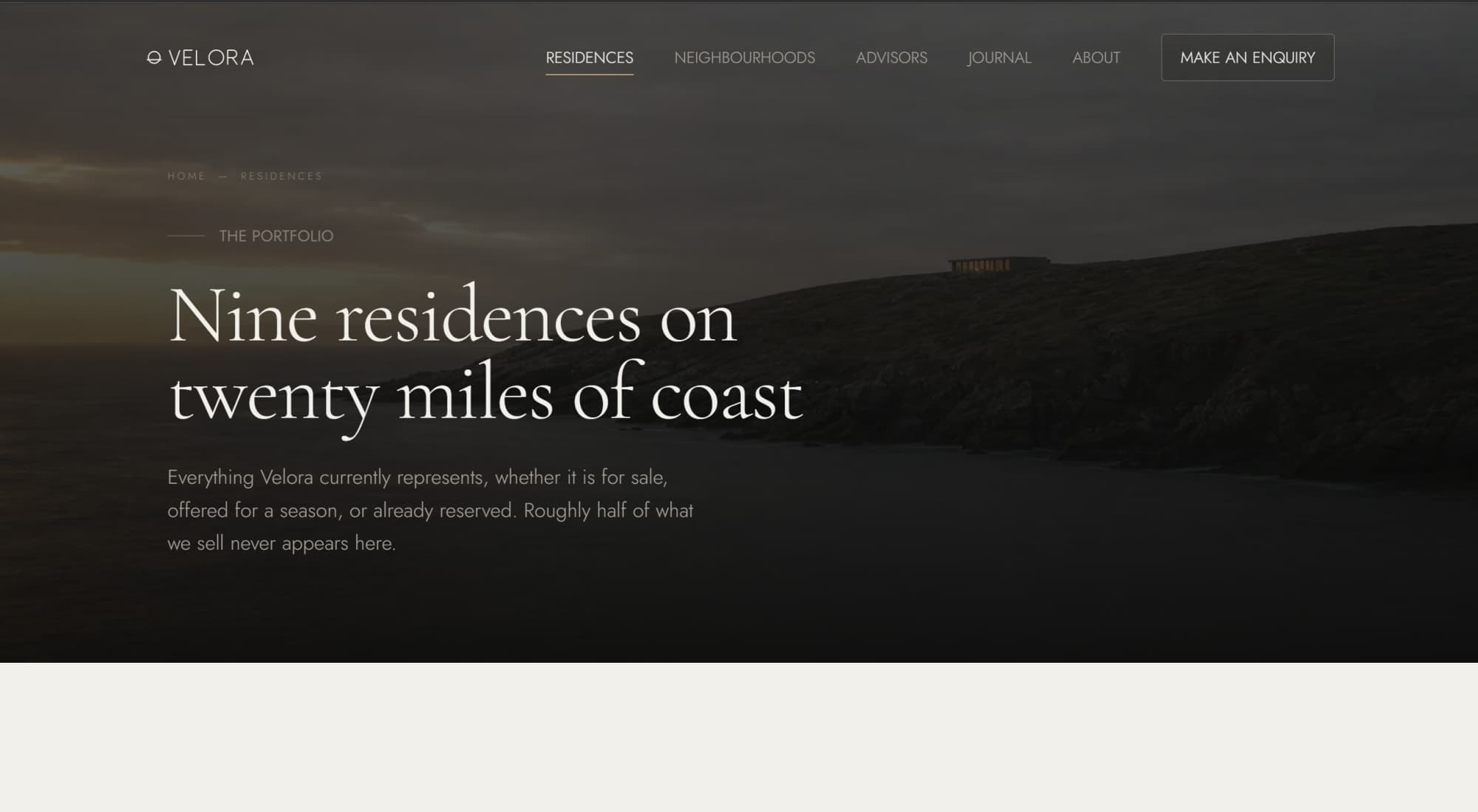
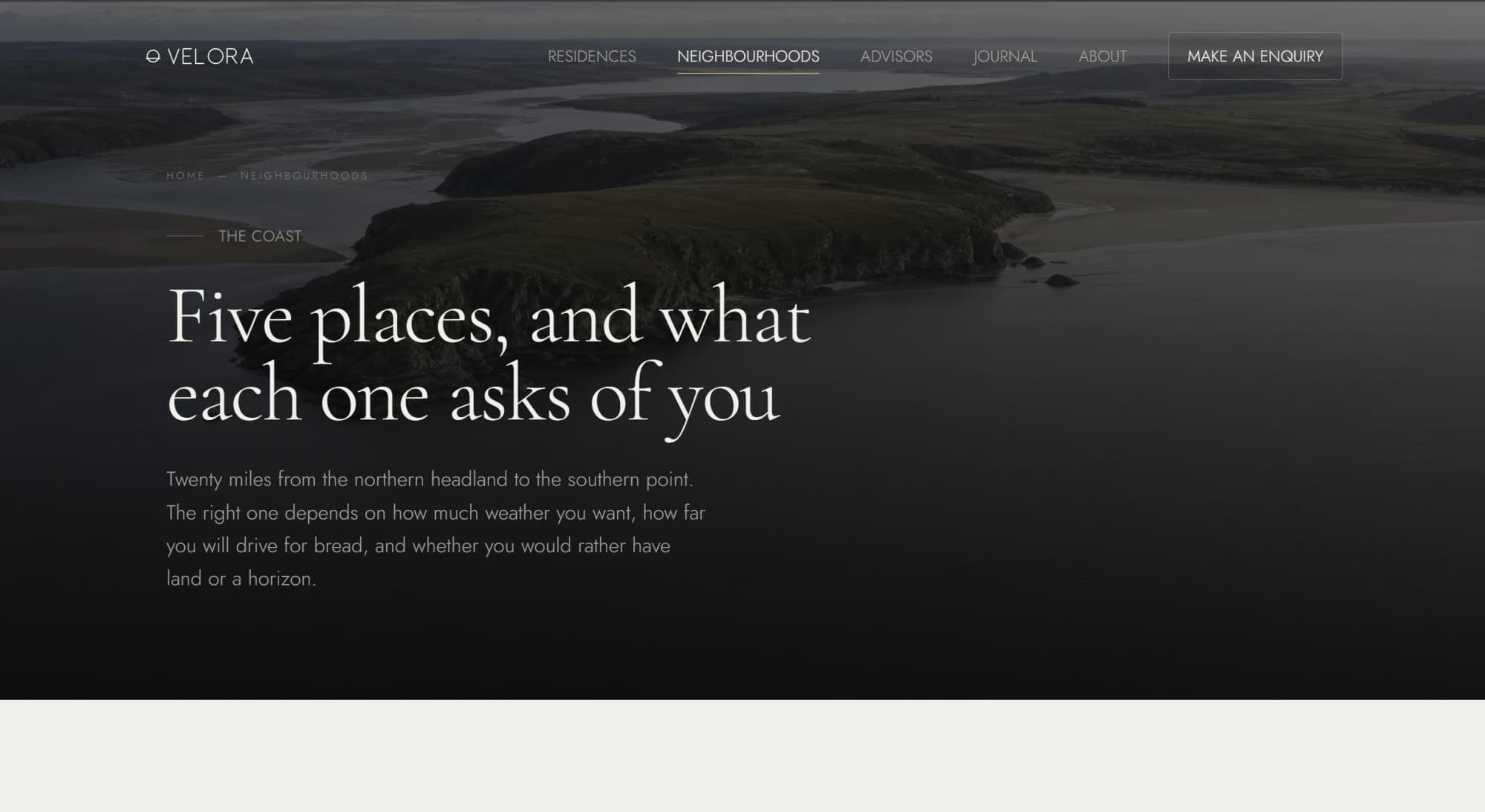
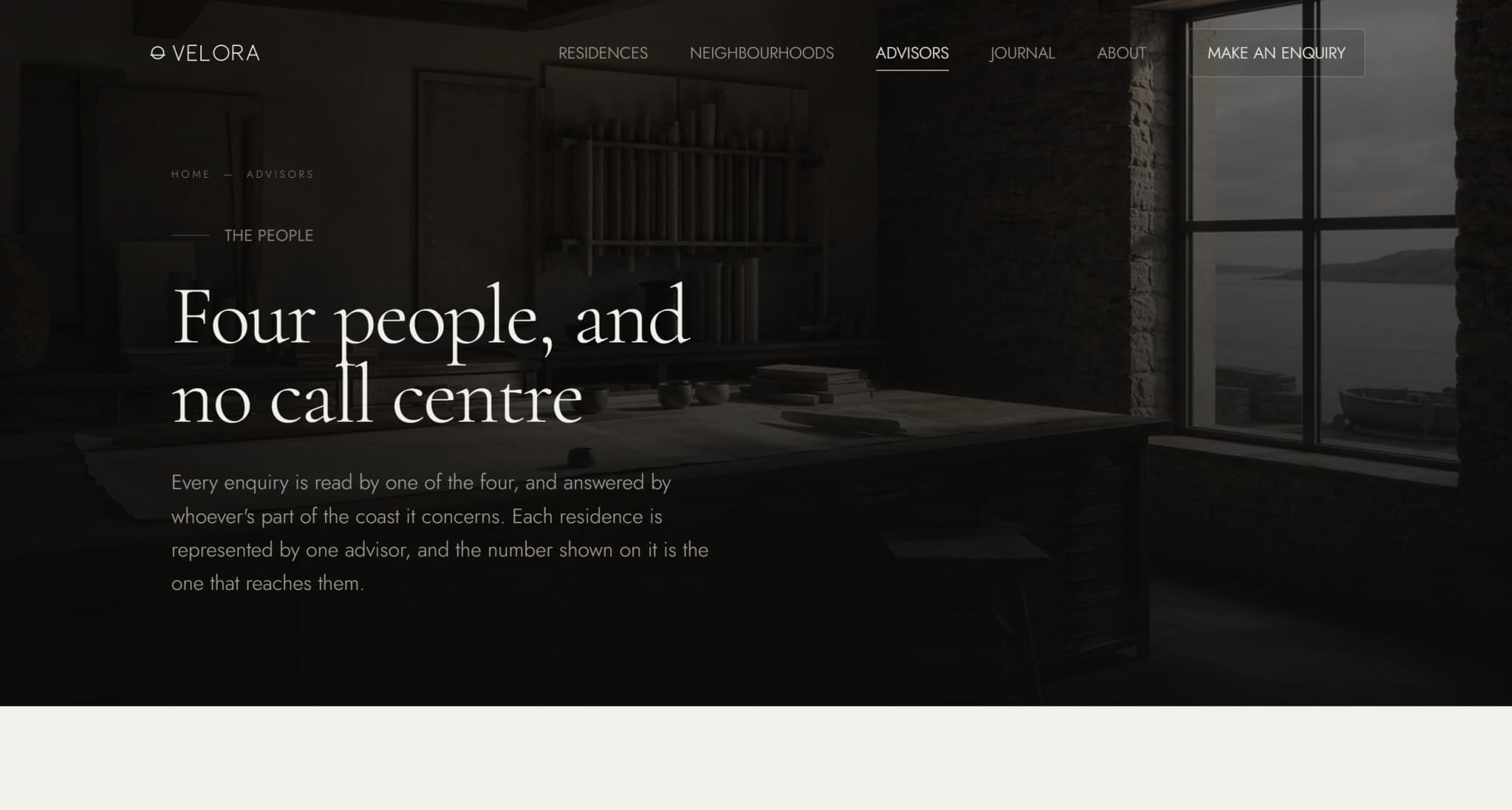
The visual system relies on semantic surface tokens (`bone` and `ink`) rather than page-specific color styling. This allows components to rebind their semantic variables based on their container's theme, maintaining design consistency across varying layouts without requiring complex CSS overrides.
Motion is implemented with GSAP and scoped to exclude reduced-motion users, ensuring accessibility is not compromised for aesthetic effect. The animation system is functional and unhurried, reflecting the luxury design language while avoiding the performance overhead of unnecessary continuous loops.
Tradeoffs and accessibility
The decision to use client-side filtering for property discovery avoids the complexity of a backend search service, a reasonable tradeoff for an inventory of nine residences. However, this means state does not persist across sessions. Accessibility is integrated at the primitive level, using native `dialog` elements for mobile navigation and `aria-live` regions for status announcements, ensuring that the experience remains robust even without JavaScript.